So, there you are at the local bistro, staring down a triple cream brie that costs more than your first car. You know the score. You eat the cheese, the cheese spends the next six hours staging a violent protest in your midsection, and you end up questioning every life choice you have ever made. This is precisely where digestive enzymes step in as the unsung bouncers of your internal nightclub. They are the microscopic chemistry sets tasked with turning that sophisticated snack into something your bloodstream actually recognises, rather than just a source of profound regret.
Table of Contents:
The Molecular Scissors in Your Spit
Most people assume digestion begins in the stomach, but that is a bit like saying a play starts when the lead actor forgets their lines. It actually begins the moment you catch a whiff of a chip shop. Your saliva is essentially a cocktail of biological catalysts designed to dismantle crackers before they even hit your gullet. If you did not have these chemical helpers, you would basically be a human pipe through which whole sandwiches passed entirely unchanged. That would be a very strange way to live, and certainly not a great conversation starter at dinner parties.
The Top Signs of a Digestive Enzyme Deficiency
When Your Internal Factory Goes On Strike
Sometimes, your body decides it is tired of the grind. It stops producing enough of these catalysts, leading to what we politely call “discomfort” and what we impolitely call “clearing the room.” This often happens because we are stressed, or perhaps because we have reached an age where a spicy curry feels like a personal insult. When your supply of digestive enzymes dwindles, your gut becomes a bit like a post office during a bank holiday. Nothing moves, everyone is annoyed, and there is a lot of heavy lifting left to do by the bacteria downstairs.
Hunting for Natural Digestive Enzymes Sources
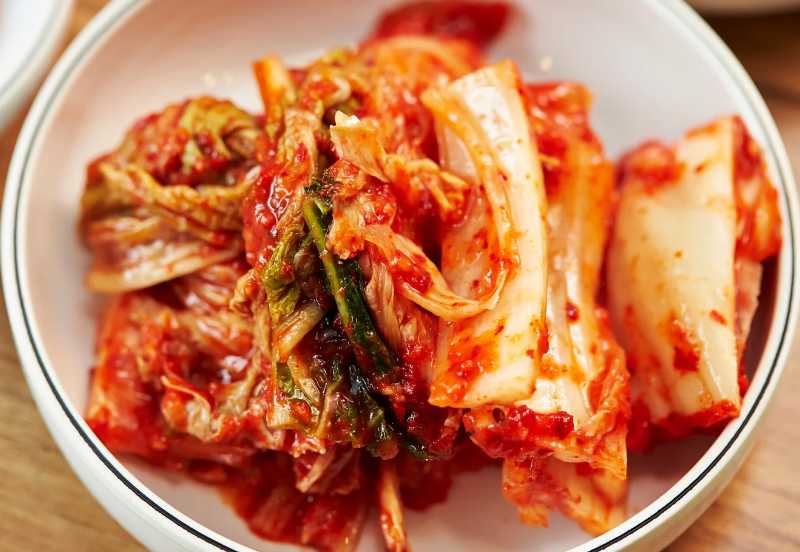
You do not always need to pop a pill to get things moving. Nature, in her infinite wisdom and occasional weirdness, has tucked these helpers into some rather tasty snacks. Pineapples contain bromelain, which is basically a tiny chainsaw for proteins. Papayas have papain, which serves a similar purpose. Even raw honey and fermented foods like kimchi are brimming with these helpful molecules. Adding a bit of tropical flair to your diet can act as a lovely insurance policy for your intestines, ensuring that your Sunday roast does not overstay its welcome.
The traditional fermentation process of kimchi produces both natural digestive enzymes and live probiotics.
The Final Verdict on Gut Health
We spend an enormous amount of time worrying about what we put into our mouths, but we rarely consider what happens once the food disappears past the tonsils. It is not just about the calories or the vitamins; it is about whether you have the tools to actually unlock them. Without a functional workforce of catalysts, you are just an expensive organic waste processor. Taking care of your internal chemistry is the ultimate act of self respect, allowing you to enjoy your meals without fearing the inevitable bloat. It turns out that the secret to a happy life might just be a well timed splash of digestive enzymes.