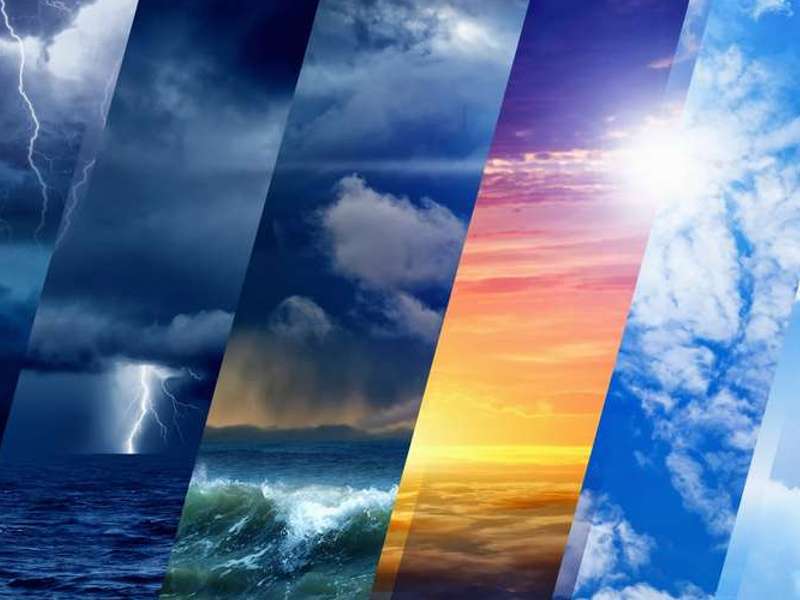
Travel itineraries were once a combination of hopeful thinking and crossed fingers regarding the weather. Jane may make plans for her weekend at the beach six weeks in advance, only to show up in flip flops and a tank top—just as the thunderstorm is rolling in. Tom the backpacker, on the other hand, heads out on his mountain adventure none the wiser that the heavens will precipitate three days of fog and sideways rain. This is where weather animation enters the picture—not merely as a forecasting device, but as a colorful, animated guide that really makes sense out of the sky’s agenda.
Table of Contents:
Why Static Forecasts Fall Short
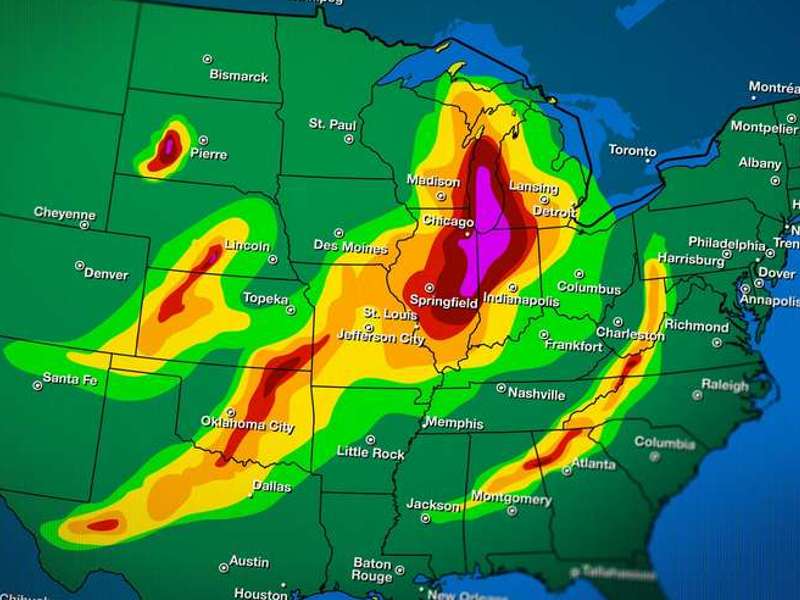
Sure, a typical weather app shows some numbers, sun and cloud icons, maybe even a rain percentage. But it usually leaves tourists scratching their heads. A 40% probability of rain—does one pack an umbrella or scrap the kayaking excursion? That’s the confusion that most have. With weather animation, that uncertainty takes a backseat. All at once, you are able to watch the rain cloud approach, see the wind rev up, and even track the course of a storm system as it sashays across the map.
Weather animation is a colorful, animated guide that provides insight into precipitation density in real time.
For the visual thinker, this is revolutionary. It’s like watching the weather narrate its own story—hour by hour, location by location—making decisions about what to pack, where to go, and when to move a whole lot easier.
From Guesswork to Game Plan
Sophia, a freelance travel blogger, swears by weather animation for her global itineraries. Instead of endlessly checking temperatures and barometric pressure charts (no one actually understands those anyway), she watches the animated weather play out in real time. She’ll say things like, “Looks like that tropical storm will pass Zanzibar by Thursday, so I’ll fly in Friday.” She’s not psychic. She’s just watching nature in motion.
This type of visualization lets travelers stay flexible. The visual format of weather animation allows them to pivot plans confidently—rerouting road trips, switching beach days, or even changing hotel bookings based on how a storm is progressing. It’s almost like having a meteorologist whispering in your ear, but far more user-friendly.
See an example of a weather animation for a specific period.
Weather You Can Feel Before You Get There
Here’s the part where travel gets exciting. Weather animation isn’t merely informative—it’s experiential. To see a gentle drizzle descend on Paris, or trade winds blow across Santorini, gives emotional richness to the trip before it has even started. It’s not just “rain in Rome,” it’s this rain, that gust, those clouds. It’s atmospheric storytelling at its finest, making travel feel more alive, even from the planning stage.
Even families have found a new love for animated forecasts. Kids planning their first camping trip can actually see what a thunderstorm might look like in the mountains. Parents can show them why Saturday morning is a better time to set up the tent. It’s education, entertainment, and preparation all in one beautifully animated experience.
Travel Smarter, Travel Wetter
At its core, weather animation sheds light on complexity. It takes the guesswork out of travel and makes it more spontaneous, more intuitive, and simply more fun. Whether dodging blizzards in Denver or running sun in Southeast Asia, observing the skies in flight is better than staring at indecipherable symbols and figures. And thanks to weather animation, you can finally learn the steps.